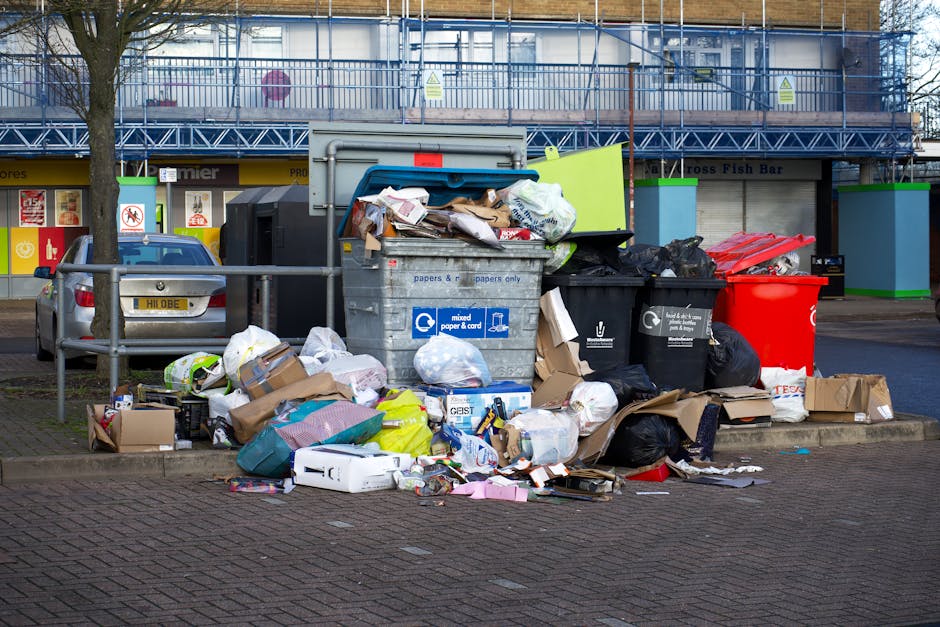
Common problems when clearing bulky waste from flats Finchley
Bulky waste sounds straightforward until you try to move a mattress down a narrow stairwell, dodge a shared landing, and keep the neighbour on the second floor happy. That is usually where the real problems start. If you are dealing with Common problems when clearing bulky waste from flats Finchley, the challenge is rarely just about lifting something heavy. It is about access, timing, building rules, noise, safety, and what happens once the items are out the door.
This guide breaks down the most common issues people run into, why they matter, and how to handle them without turning a simple clearance into a stressful weekend project. Whether you are clearing one awkward sofa or several rooms' worth of old furniture, you will find practical steps, common mistakes, and sensible next moves. To be fair, a bit of planning saves a lot of faff later.
Expert summary: Flat clearances in Finchley usually go wrong for the same handful of reasons: poor access, limited parking, shared spaces, unclear rules, and underestimating how bulky items move through a building. The best results come from measuring first, protecting the route, confirming permissions, and choosing the right clearance method for the property.
Table of Contents
- Why the problem matters in flats
- How bulky waste clearance in flats usually works
- Key benefits of getting it right
- Who this is for and when it makes sense
- Step-by-step guidance
- Expert tips for smoother clearance
- Common mistakes to avoid
- Tools, resources and recommendations
- Law, compliance and best practice
- Options and comparison table
- Real-world example
- Practical checklist
- Frequently asked questions
Why Common problems when clearing bulky waste from flats Finchley Matters
Flats create a different kind of clearance problem from houses. The route out is often tighter, the building is shared, and the margin for error is tiny. One badly timed lift booking, one item that does not fit through a doorway, and suddenly the job stretches across a whole afternoon. Sometimes longer. You can almost hear the scratching sound of a wardrobe catching the wall. Not ideal.
In Finchley, many residents live in properties where access is part of the challenge. Think of upper-floor flats, converted houses, mansion blocks, and buildings with limited frontage space. Bulky waste removal in these settings matters because a small mistake can lead to damaged walls, upset neighbours, or items being left in a communal area longer than they should be. That is where problems become more than inconvenient; they become avoidable risk.
It also matters because bulky waste is not just "big rubbish". It often includes furniture, white goods, broken bed frames, cupboards, old desks, and awkward mixed items that do not behave well on stairs. If you are replacing furniture or dealing with a flat move, you may want to look at related support such as flat clearance or furniture disposal where a more structured approach can help.
There is also the human side. A bulky waste job in a flat can disrupt ordinary life quite quickly. People still need to get to work, the lift still needs to function, and everyone still needs the hallway clear. A well-managed clearance reduces friction for everyone in the building. That is the real value, honestly.
How Common problems when clearing bulky waste from flats Finchley Works
The process usually looks simple from the outside: identify the items, move them out, load them, and remove them. In practice, there are several moving parts. First comes planning. Then access. Then safe handling. Then disposal or recycling. Miss one part and the whole job gets messy.
Typical flat bulky waste clearance starts with identifying what needs removing and where it sits in the property. Then you check how those items will get out. Is there a lift? Is it usable? Are there narrow turns on the stairs? Are any doors too tight? If the item must be dismantled, that changes the job straight away. A bed frame that comes apart neatly is one thing; a solid sideboard is another.
In many cases, the awkwardness is not the item itself but the building. Shared entryways, parking restrictions, controlled access, and time limits can all slow things down. If the clearance is being arranged alongside a broader move, some people also use services like home clearance or house clearance for larger mixed loads, but for flats the building layout still decides a lot.
Once the items are removed, they need to be sorted properly. Reusable furniture may be separated from general waste, and recyclable material should be handled with care. A responsible approach matters here, not just for the environment but for credibility too. If sustainability is important to you, it is worth reviewing recycling and sustainability before booking anything.
Key Benefits and Practical Advantages
When bulky waste is cleared properly from a flat, the benefits are immediate and very visible. You get your floor space back, the property feels calmer, and the risk of a half-finished job sitting in the hallway disappears. That alone can be a relief. Anyone who has lived around stacked boxes and an old sofa in the corner knows the feeling.
- Less disruption: A good plan reduces noise, hallway traffic, and unnecessary back-and-forth.
- Lower damage risk: Careful removal helps protect walls, banisters, doors, and communal flooring.
- Better compliance: Proper handling makes it easier to stay aligned with building rules and waste expectations.
- More efficient use of time: Measuring and sorting before the day avoids the common "we thought it would fit" problem.
- Cleaner handover: Useful if you are moving out, refurbishing, or getting a property ready for new tenants.
Another advantage is peace of mind. You do not have to keep wondering whether the bulky waste has been handled correctly or whether something was left behind in a shared space. In a flat, that sort of thing matters. People notice. And yes, they usually notice at the worst possible moment.
For landlords, managing agents, and residents' associations, a smoother clearance also protects relationships. That may sound slightly soft, but it is practical. A tidy, well-run removal is much easier to defend than a rushed one with scuffed walls and awkward apologies the next morning.
Who This Is For and When It Makes Sense
This topic is relevant for tenants, leaseholders, landlords, letting agents, property managers, and anyone helping a relative clear out a flat. It is especially useful if the items are too large for normal household bins or if the property has access restrictions that make DIY removal harder than expected.
It makes sense to think about bulky waste clearance when you are:
- moving out of a flat and need to leave it clear
- replacing old furniture after a refurbishment
- dealing with inherited contents or a flat emptied after a life change
- preparing a rental property between tenancies
- removing items from a top-floor flat with tight access
- sorting a mixed load that includes furniture, broken storage, or awkward miscellaneous items
If the job is mostly old furniture, a dedicated furniture clearance route may be the cleanest option. If it is a bigger mixed property job, a broader service like waste removal can make more sense. Truth be told, the right option depends on how much is being moved and how awkward the building is.
It is also worth saying that not every situation needs a big service call. If you only have one small item and easy access, the problem may be simple. But once you start dealing with mattresses, wardrobes, chests of drawers, or appliances on stairs, the balance shifts quickly.
Step-by-Step Guidance
Here is the practical side of it. If you want to avoid the most common issues, follow a simple workflow. Nothing fancy. Just sensible preparation.
- List every item. Write down what needs removing, including size and approximate weight if known. A quick inventory helps more than people expect.
- Measure the route out. Check door widths, corridor turns, stair landings, and lift dimensions. Do not guess. Guessing is where the headache starts.
- Ask about building rules. Some flats have moving windows, lift booking rules, time limits, noise restrictions, or concierge procedures.
- Clear the path. Remove loose rugs, shoes, plant pots, mirrors, and anything else that could create a trip hazard.
- Protect surfaces. Use coverings on corners, walls, and floors where items are likely to brush against them.
- Separate items if needed. Decide what can be reused, recycled, or dismantled before the clearance begins.
- Arrange parking or loading access. In Finchley, street space can be tight. Make sure the vehicle can stop close enough for efficient loading.
- Keep neighbours informed. A quick note or conversation helps avoid complaints, especially if the lift or corridor will be used for a while.
- Check the final sweep. Look in cupboards, balconies, storage cages, and under beds. Small forgotten items create annoying second trips.
The detail that trips people up most often is the route. Items rarely fail because they are impossible to remove; they fail because the path is narrower than expected, or there is a corner that only allows a weird angle and a bit of shoulder strain. That is why measuring matters so much.
Expert Tips for Better Results
Here are a few things that help in real life, not just in tidy planning documents.
1. Start with the awkward item, not the easy one. If the sofa, mattress, or wardrobe is likely to cause trouble, plan around that first. The smaller bits can be fitted around it.
2. Split the load where possible. A dismantled item is much easier to move than a fully assembled one. Sometimes removing a door or shelf saves far more time than people think.
3. Work during a quieter building window. Mid-morning is often calmer than the school-run rush or late evening. You want fewer people in the way and fewer complaints. Simple.
4. Use the lift sensibly. If the lift is small and fragile, do not cram too much into one trip. That is a classic mistake. It is also the sort of thing everyone regrets when the doors start beeping.
5. Think about weight distribution. Tall, heavy items can be unstable on stairs. Keep them controlled, and never rely on one person to "just hold it for a second" while the other sorts the door.
6. Leave a buffer for delays. A ten-minute job in theory can easily become a thirty-minute job if the route is tighter than expected. Build in breathing room.
If you are clearing a flat after a refurbishment or tenant change, it may help to coordinate with other removal work such as builders waste clearance if renovation debris is part of the picture. Mixed waste needs a little more judgement, that's all.
Common Mistakes to Avoid
This is where many people come unstuck. And usually for very ordinary reasons.
- Not measuring the item properly: A wardrobe can look fine in a room and still fail at the hallway bend.
- Ignoring lift restrictions: Some lifts are too small, too sensitive, or not available at the time you need.
- Leaving parking until the last minute: If the vehicle cannot get close enough, everything slows down.
- Forgetting building permissions: A concierge, freeholder, or managing agent may need notice.
- Blocking communal areas: This can create conflict fast and may also become a safety issue.
- Underestimating the number of trips: A single flat can produce far more lifting than expected.
- Mixing awkward waste types: Furniture, appliance waste, and renovation debris are not always best handled the same way.
The biggest mistake, if we are being honest, is treating bulky waste as a quick favour rather than a job with real moving parts. Once you respect the process, it gets much easier to manage.
Practical rule: If you would not want to carry the item alone down two flights of stairs on a wet Tuesday, it probably deserves proper planning.
Tools, Resources and Recommendations
You do not need a huge toolkit, but a few basics make a clear difference.
- Measuring tape: Useful for doorways, lifts, and awkward corners.
- Gloves: Good grip and hand protection matter more than people admit.
- Furniture straps or ties: Helpful for keeping large items steady.
- Protective covers: Blankets, pads, or cardboard can protect walls and floors.
- Basic dismantling tools: A screwdriver set or hex key can save time if items need to come apart.
- Labels or notes: Useful for separating what stays, what goes, and what is for recycling.
On the service side, the most useful pages to review are often the ones that explain how a company handles the wider job, not just the collecting itself. For example, about the team can give you a better sense of approach, while pricing and quotes helps set expectations before you commit. If you want to understand how payments are handled, payment and security is worth a look too.
For residents who care about what happens after collection, the recycling route matters. Responsible sorting, reuse where possible, and careful disposal are all part of a better service. A vague "we'll take it away" approach is not enough these days, and it really shouldn't be.
Law, Compliance, Standards, or Best Practice
Bulky waste in flats sits in a practical grey area for many residents, but the basics are clear: waste should be handled safely, moved without causing hazards, and taken to an appropriate destination. If you are using a professional clearance service, you should expect sensible handling, clear communication, and appropriate care for the building and its shared areas.
There are also normal UK expectations around duty of care, safe lifting, and avoiding nuisance in communal spaces. You do not need to become a legal expert to manage a flat clearance, but you do need to think responsibly. That includes knowing what you are moving, where it is going, and whether any item needs special handling.
In practice, good compliance looks like this:
- keeping access routes safe and unobstructed
- avoiding damage to shared property
- separating reusable or recyclable items where practical
- using a provider with sensible insurance and safety procedures
- making sure the removal plan matches the building conditions
If you want more reassurance on how a provider handles safety and operational standards, review health and safety policy and insurance and safety. Those pages can help you judge whether the service is set up to manage real-world flat clearance conditions rather than just talk about them.
And yes, it may sound dull. But dull is good here. Dull means controlled, careful, uneventful. Exactly what you want when moving a heavy sofa through a shared hallway.
Options, Methods, or Comparison Table
There is no single best method for every flat. The right choice depends on access, quantity, urgency, and how much sorting you want to do yourself. This comparison should help.
| Method | Best for | Pros | Common downside |
|---|---|---|---|
| DIY removal | Small loads with easy access | Can be inexpensive and flexible | Hard work, higher risk of damage or injury, more time-consuming |
| Flat clearance service | Mixed items or full flat clear-outs | More structured, less physical effort, better for awkward access | Requires booking and coordination |
| Furniture-focused removal | Sofas, beds, wardrobes, tables | Simple for standard household items | Less ideal if the load includes non-furniture waste too |
| Combined waste removal | Furniture plus mixed bulky waste | Efficient for larger or varied loads | Needs clearer planning and item sorting |
For many Finchley flats, a dedicated flat or furniture-focused service is the sweet spot. If the job has a lot of mixed items, broader waste removal can be better. If the clearance is part of a renovation, the method may need to sit alongside other services as well. There is no point forcing a neat label onto a messy real-life job.
Case Study or Real-World Example
Imagine a two-bedroom flat on an upper floor in Finchley. The resident needs to clear a bed frame, mattress, chest of drawers, a broken armchair, and a couple of bulky storage units before handing the keys back. Sounds manageable, right? Then the details appear.
The lift is small and only takes one large item at a time. The bed frame does not fit around the stair landing in one piece. The chest of drawers is heavier than it looks because, of course, it is full of random things from the back of the cupboard. There is also limited parking outside, and a neighbour has just placed shopping trolleys in the entry area. Not a disaster. Just inconvenient.
The turning point comes from preparation. The bed frame is dismantled first. The route is cleared. The resident checks the timing with the building management. The larger items are loaded in a sensible order. The job ends up taking less time than expected because the awkward bits were handled before the team arrived. That is usually how it goes when the planning is decent.
What made the difference? A few obvious things, really: measuring the route, making sure the corridor stayed clear, and not assuming the lift would solve everything. Small steps. Big difference.
Practical Checklist
Use this before any bulky waste clearance from a flat in Finchley.
- Measure all bulky items before moving day.
- Check door widths, stair turns, and lift dimensions.
- Confirm any building rules or notice requirements.
- Arrange parking or loading access.
- Protect floors, corners, and wall edges where needed.
- Separate items for reuse, recycling, or disposal.
- Remove obstacles from communal routes.
- Tell neighbours or management if there will be disruption.
- Check whether any items need dismantling first.
- Do a final room and storage check before the collection team leaves.
Quick takeaway: The best bulky waste clearances are usually the boring ones. Calm, measured, and well timed. Nothing flashy, just done properly.
If you are ready to arrange help, a sensible next step is to review contact options and see what fits your building, timing, and budget. You can also compare likely costs through pricing and quotes before making a decision.
Get a free quote today and see how much you can save.
Conclusion
Clearing bulky waste from flats in Finchley is rarely difficult because the items are mysterious. It is difficult because flats add layers: tight access, shared spaces, timing rules, and the need to keep things neat for other people. Once you understand those pressures, the whole job becomes easier to manage.
The main lesson is simple. Measure first, plan the route, respect the building, and do not underestimate how a large item behaves on stairs or around corners. That one bit of caution saves a lot of stress. And if the load is awkward, mixed, or more than you want to tackle alone, choosing a proper clearance route is often the most practical move.
Done well, a flat clearance feels like relief. The room opens up. The hallway is clear. The place breathes again. That is a good feeling, and it lingers a bit.
Frequently Asked Questions
What are the most common problems when clearing bulky waste from flats in Finchley?
The most common problems are tight stairwells, small lifts, limited parking, shared access routes, and items that need dismantling before removal. Building rules can also slow things down if they are not checked early.
Why is bulky waste harder to remove from flats than houses?
Flats usually have narrower routes, more shared areas, and less direct loading access. That means every item needs a bit more planning, especially if you are on an upper floor.
Do I need to measure the items before booking a clearance?
Yes, measuring helps a lot. It is the easiest way to avoid last-minute surprises with doors, corridors, lifts, and stair turns. A tape measure is your friend here.
Can a sofa or wardrobe usually be taken out of a flat without dismantling it?
Sometimes yes, but often no. It depends on the route out. If the item is large or awkwardly shaped, dismantling may be the safer and faster option.
What should I check with my building management before bulky waste removal?
Check whether you need permission, whether the lift must be booked, whether there are time restrictions, and whether any loading or parking arrangements are needed. Those little rules matter more than people think.
Is it better to use a flat clearance or furniture disposal service?
If you only have a few bulky furniture items, furniture disposal may be enough. If the flat contains mixed items or a larger overall load, flat clearance is usually the better fit.
How do I avoid damaging walls and communal areas during clearance?
Protect corners and floor edges, clear the route before moving items, and use proper lifting methods. If the item is very large, it is better to slow down than force it through.
What happens if the bulky waste includes mixed materials?
Mixed materials should be sorted where practical so reusable or recyclable items can be separated from general waste. This makes the clearance cleaner and more responsible.
Can bulky waste collection be done on a tight schedule?
Yes, but the more restricted the access, the more important planning becomes. A rushed job in a flat often creates delays, so give yourself a bit of breathing room if you can.
How do I know if a clearance provider is trustworthy?
Look for clear information about safety, insurance, pricing, and how waste is handled. A trustworthy provider will explain the process clearly and not leave you guessing.
What if I only have one large item to remove?
Even one large item can be awkward in a flat. A single mattress or wardrobe may still need careful handling, especially if the lift is small or the hallway is tight.
What is the best first step if I am feeling overwhelmed?
Start with a simple list of items and measure the route out of the flat. Once those two things are clear, the rest usually feels much more manageable. One step at a time.