Garden Clearance in Finchley

Garden Clearance Finchley helps householders, landlords and local businesses clear outdoor spaces in a tidy, practical way. Our main service covers the removal of green waste, broken garden items, old edging, soil, light rubble and mixed outdoor clutter, so a border, path, patio or lawn can be brought back under control. Where access is straightforward, we can work through stacked material methodically and leave the space ready for the next stage of gardening, landscaping or general upkeep.
Clearance work is rarely just a matter of loading bags. Gardens often contain a mixture of prunings, timber, plant pots, damaged furniture and unwanted tools, and that mix needs a sensible order of removal. We separate what can be handled as green material from items that need different disposal routes, and we keep the work focused on the actual scope agreed for the property. Careful sorting matters because it helps reduce avoidable waste and makes the process more predictable.
Many customers use our service after trimming back a neglected plot, finishing a shed tidy-up or preparing an outdoor area for a new project. If you need to compare options, it helps to think about what is to be removed, how much access is available and whether the load includes only garden waste or a wider mix of items. Request a quotation once you have a clear idea of the materials involved, and we can discuss the most suitable approach.
Garden waste, cuttings and seasonal clear-outs
Green waste clearance is the simplest part of the service when the materials are mainly grass cuttings, hedge trimmings, leaves, branches and plant growth. These loads can build up quickly after routine maintenance, especially when larger shrubs are cut back or beds are being reshaped. Clearing them promptly helps prevent the pile from spreading across paths or blocking the next round of gardening work, and it also avoids leaving decaying material in place for longer than necessary.
Seasonal clear-outs often include more than pruning waste. In spring, customers may want old compost, frost-damaged pots and overwintered debris removed. In autumn, leaf fall, twigs and worn-out bedding plants can create a larger mixed load. We handle these jobs with an eye on what is actually present rather than assuming every outdoor clearance is the same. If the material is mostly organic but includes a few non-organic items, we keep that distinction in mind while planning removal.
What is usually included
- Branches, hedge cuttings and lawn clippings
- Dead plants, weeds and pulled roots
- Old bags of soil, bark or compost
- Broken canes, ties and light timber offcuts
Outdoor furniture, sheds and mixed garden items
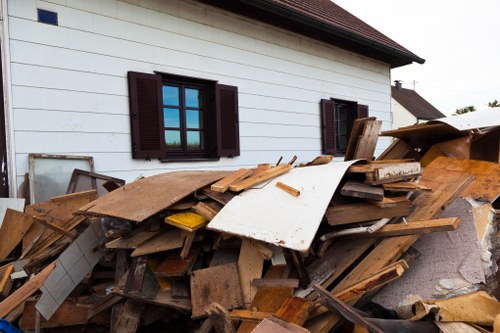
Many gardens contain items that are no longer part of the living landscape but still take up valuable room. Worn chairs, tables, parasols, cracked planters, play equipment and untidy storage items all affect how usable the space feels. Our clearance work can include these unwanted pieces alongside garden waste, as long as the items are within the agreed scope and can be safely removed from the property. This is often useful when a garden has been used as a secondary storage area for several years.
We also deal with mixed outdoor clutter where different materials have been left together. For example, a clear-out may reveal metal shelving, timber panels, plastic tubs, old hose reels and general rubbish mixed with greenery. In those situations, the job benefits from an orderly approach, because the right disposal route depends on the material type. Mixed loads are common, and they are best handled by separating the obvious categories rather than treating everything as one pile.
If a shed, lean-to or outside cupboard is being emptied at the same time, it is useful to be clear about whether you want everything removed or only certain categories. That allows the work to be planned sensibly and avoids confusion when the clearance reaches the final items. Tell us what stays and what goes so the removal can be organised around your priorities.
Soil, rubble and harder garden material
Some outdoor clearances involve material that is heavier and less uniform than ordinary garden waste. Soil from a dug border, broken paving, old bricks, small amounts of rubble and disturbed hardcore can all appear during a garden refresh or after a feature is taken out. These materials need different handling from green waste because they are denser, often dirty and less easy to move in large loose volumes. A sensible plan keeps the load manageable and avoids unnecessary lifting back and forth.
Where heavier material is present, access and placement matter more than usual. A pile at the end of a narrow path, beside a step or behind a locked gate can take more time to move than the same amount stored in an open drive. That does not change the nature of the service, but it does affect how the work is carried out. The aim is still the same: remove the agreed materials safely and leave the remaining garden in better order than before.
Materials that need clear description
When requesting a quotation, it helps to mention whether the load contains mainly soil, mainly rubble or a combination of both. A brief note about any awkward access, tight steps or long carrying distances can also be useful. Clear descriptions help us judge the likely scale of the work without overcomplicating the booking. If you are unsure whether a material counts as garden waste or mixed construction debris, describe it plainly and let the scope be assessed from there.
Front gardens, back gardens and shared outdoor spaces
Garden clearance can be needed in a variety of settings. Front gardens often collect smaller items that are visible from the street, such as broken pots, bagged waste or an old bench that has been left in place for too long. Back gardens may contain larger volumes of trimmings, dismantled structures or more heavily overgrown areas. Shared outdoor spaces add another layer of care, because the work needs to respect boundaries, access arrangements and the expectations of anyone else using the area.
For communal or shared settings, the strongest results usually come from a clear list of the agreed items. That is especially important where several households contribute to the space or where a landlord is arranging the clearance on behalf of tenants. We focus on the items named for removal and avoid creating uncertainty about what has been included. The work can then be completed in a way that is practical for everyone involved.
When a garden contains a mix of private and communal items, a simple walk-through before the job starts can be useful. It helps establish what belongs to the clearance, what should remain, and whether any objects are being kept for reuse. This is not about formality for its own sake; it is about avoiding confusion when the space contains layers of use and storage. Keep the list specific, especially where more than one person is involved in the decision.
Furniture clearance and outdoor storage removal

Some customers use a garden clearance service because outdoor furniture and stored items have outgrown the space available. Weathered benches, damaged sun loungers, old children’s play items and surplus storage boxes can all be removed as part of a wider tidy-up. The same applies to items left outside after redecorating, moving house or changing the use of the garden. If the furniture is no longer practical to repair or store, removal can be the simplest way to reclaim room.
This kind of work overlaps naturally with furniture clearance when the items are domestic rather than strictly garden-based. A careful description of what is present helps determine whether the outdoor load is mostly leisure furniture, household seating or a broader mix of materials. We do not assume every item has the same finish or disposal route; instead, we deal with what is actually on site and keep the collection organised around the agreed list.
If furniture sits among plant pots, wet soil or broken trellis, the order of removal can affect how quickly the area is opened up. Larger pieces are often best taken out first, so smaller loose items are not trapped behind them. This can make the remaining garden clutter easier to see and can help the space feel less overwhelmed. Practical sequencing is a simple part of good clearance work and usually makes the process smoother.
How the quoting process usually works
A quotation is easiest to prepare when the materials, quantity and access are described plainly. A few clear details are normally more useful than a long explanation. If you are gathering the information yourself, think about the main categories involved: green waste, furniture, soil, rubble or general outdoor clutter. It is also worth noting whether the items are loose, bagged, stacked or piled, because that affects how the work is approached.
Photographs can help when the load is awkward to describe, especially where several material types are mixed together. They are not a substitute for clear wording, but they can make it easier to understand scale and arrangement. If the job includes steps, narrow side access, locked gates or items in more than one part of the garden, mention those points in the same message. Good quotation details make it easier to compare the work sensibly.
Pricing and quotes is the best place to look when you want to understand how the enquiry is organised. The key point is that the scope should be defined around the actual items and conditions present, not around a guess. That keeps the conversation focused on the materials to be removed and the practical requirements of the job.
Garden clearance for renovations and property changes
Clearance work is often part of a wider property change rather than an isolated task. A garden may need clearing before landscaping begins, before a property is let out again, or before an outdoor area can be handed over in a cleaner state. In those situations, the work can include a combination of removal tasks: cutbacks, furniture, planters, broken fixtures and leftover clutter from previous use. The purpose is to create a clearer starting point for whatever comes next.
For landlords, agents and homeowners preparing a sale or re-let, it is useful to be precise about what should stay on site. Fixed features, mature planting and reusable materials may need to remain in place while loose items are taken away. If the garden has become a storage area as well as an outdoor space, we can work through the agreed items in a logical order. That keeps the clearance practical and avoids turning a simple removal into a broader property project.
If your plans involve more than one outdoor area, mention that when you enquire. A front courtyard, rear garden and side passage may all hold different kinds of material, and it is helpful to know whether the same clearance scope applies to each one. Ask for a quotation once the main categories are clear, and you can judge the service against the actual work involved.
About Finchley
Finchley is a district in north London with a long history that predates its present suburban character. The name is recorded in medieval forms and is generally understood to refer to a woodland clearing, which is reflected in the area’s older landscape history. Over time, the district evolved from scattered rural settlements into a more built-up part of the capital, especially after improved transport connections encouraged residential development in the nineteenth and twentieth centuries. Today Finchley is usually associated with a broad mix of housing, local centres and established streets rather than a single compact core. Its identity is often split between East Finchley, Finchley Central and North Finchley, each with its own character and patterns of everyday use.
The area contains a number of notable public and cultural spaces. Victoria Park provides open green space, while Finchley Cricket Club and other sports facilities reflect the district’s continuing recreational life. Avenue House, now Stephens House and Gardens, is one of the best-known historic properties in the area and includes landscaped grounds that offer a quieter counterpoint to the surrounding roads. Finchley also has a strong educational and community presence, with libraries, churches and local venues contributing to a settled suburban environment. Transport links, including Underground stations on the Northern line and several main roads, have shaped the way the district connects to the rest of London, but Finchley still retains a recognisable local rhythm through its shopping parades, residential streets and long-established institutions. The result is an area that combines everyday practicality with traces of its earlier rural and Victorian past.
Clearance plans for busy households and landlords
Garden clearance is often easier when it is organised around a simple sequence. First identify the items to be removed, then group them by type, and finally note any access issues that may change the order of work. For households, that might mean separating hedge cuttings from old furniture. For landlords, it may involve distinguishing garden refuse from tenant-left storage. The clearer the scope, the easier it is to handle the task without unnecessary disruption.
Sometimes the most useful step is to decide what should be left alone. Established plants, reusable pots or decorative features may be staying in place even when the rest of the garden is being emptied. If you are keeping some items for later use, make that clear before the clearance begins. That way the work can be organised around the items with value or purpose, rather than around every object in the garden being treated the same way.
When the outdoor area has been neglected for a while, it can help to start with the most obvious obstruction and work outwards from there. That might be a heap of branches, a stack of bags or a line of broken furniture against a fence. Removing the most visible material first often makes it easier to see what remains and to plan the rest of the clearance with less guesswork.
Recycling, sorting and responsible disposal
Garden clearance is not only about collection; it is also about recognising the material being removed and handling it in a sensible way. Green waste, wood, metal, plastics and inert material such as soil or rubble do not all belong in the same stream. A practical clearance service keeps those differences in mind and avoids treating mixed outdoor waste as if it were one uniform load. That approach is especially important where a garden contains both plant growth and leftover household items.
Recycling and sustainability explains the wider approach to separating reusable and recyclable material where the service allows it. In day-to-day garden work, this means paying attention to how items are grouped, what is loose or bagged, and whether the material is suitable for the same treatment as the rest of the load. Careful handling is not a headline claim; it is simply part of doing the job in an orderly way. It also helps keep the quoted scope aligned with the real contents of the garden.
Where a customer wants to compare a garden job with another type of removal, the mix of material is usually the deciding factor. A small number of bags may be straightforward, while a larger mixed pile can need more time for sorting and lifting. Describe the materials plainly and the clearance can be planned around that reality rather than around assumptions about the site.
Getting started with a garden clearance enquiry

A useful enquiry usually includes the main material types, an idea of quantity and any access details that could affect the work. If the garden has multiple sections or the items are spread out, that is worth saying as well. You do not need to write a long explanation; a clear summary is often enough to begin with. The aim is simply to describe what is there so the job can be considered on a practical basis.
Customers sometimes worry that a mixed outdoor clear-out will be hard to explain, but a simple list is normally enough: cuttings, bags, furniture, soil, rubble, or general clutter. If anything is staying in place, mention that too. Clarity saves time and helps avoid the common problem of overdescribing some parts of the job while leaving the most important part vague. The result is a more useful quotation and a better match between the work and the site.
When you are ready to move on, contact us to request a quotation for garden clearance in Finchley. If you prefer to compare the wider scope first, the related pages on home clearance and waste removal may also help you judge which service best fits the material involved. Make the first step a clear enquiry, and the rest of the process becomes much easier to plan.