Garden Clearance Finchley — Recycling and Sustainability
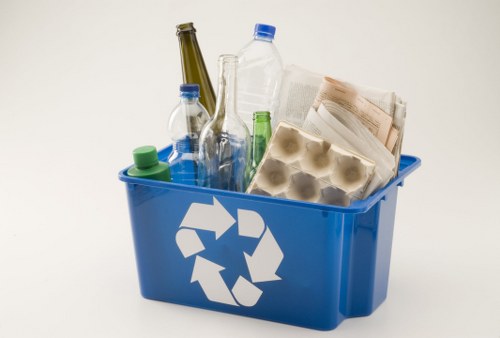 Garden Clearance Finchley is committed to creating an eco-friendly waste disposal area and promoting a truly sustainable rubbish area across Finchley and the surrounding boroughs. Our Finchley garden clearance teams focus on diverting as much material away from landfill as possible, prioritising reuse, repair and specialist recycling routes for each material stream. Whether it's green waste, soil, broken paving or old garden furniture, our approach is to treat each item as a resource rather than rubbish.
We work with local councils and community partners to align our finchley garden clearance activities with borough policy. This means supporting separate collections and preparation for recycling, following local approaches to waste separation — separating dry recyclables, green garden waste and controlled disposal for treated timber or contaminated soils, for example. Our aim is to integrate garden clearance in Finchley with wider local systems so materials can be processed at the right facilities.
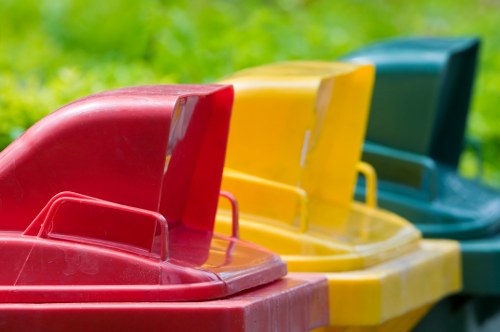 How we create an effective sustainable rubbish area: by sorting on site, preparing items for donation or reuse, and routing salvageable materials to specialist recyclers. We respect Barnet and North London borough practices for waste separation by keeping paper, glass, metals and plastics clean and separated from organic material. This step reduces contamination and dramatically improves the chances that materials are recycled locally.
Our recycling targets and performance
Our operational recycling percentage target is clear: we aim to recycle or divert at least 70% of all collected garden clearance material by 2030. That target covers green compostables, wood chippings, metals, masonry and reusable fixtures. The 70% goal is aligned with local sustainability ambitions and the broader move toward low-carbon, circular management of household and garden waste. We report progress internally and adjust routes, partnerships and on-site processes to steadily improve our diversion rate.
Local transfer stations and processing networks
We use established transfer stations and processing facilities to keep the Finchley clearance supply chain efficient and green. Typical destinations include local transfer stations and regional facilities, such as Hendon transfer stations and North London facilities connected with the Edmonton EcoPark network, where organics and recyclable streams are processed. For bulky inert materials (bricks, concrete, paving) we work with dedicated aggregates recycling yards so materials can be crushed and reused in construction rather than sent to landfill.Our Garden clearance Finchley crews also coordinate with private and council-run composting sites when green waste volumes are higher in spring and autumn. Wood is chipped for mulches, soil is screened for reuse where uncontaminated, and metals are separated for scrap recycling. These activities make the sustainable rubbish area a practical reality for local residents.
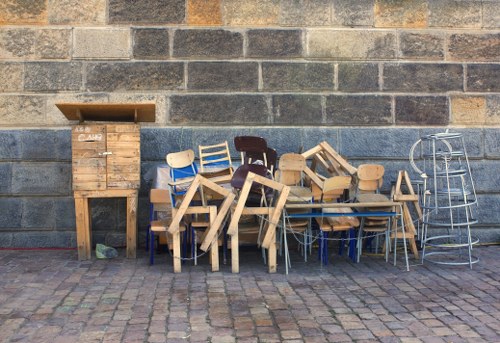
Partnerships with charities and reuse organisations are central to our model. We maintain active relationships with national reuse networks and local Finchley and Barnet charities — donating salvageable garden furniture, planters and tools to community projects, housing schemes and charity shops. Through these partnerships we give items a second life, reduce waste, and support community initiatives that benefit from reused materials.
We operate a mixed fleet designed for low emissions. Low-carbon vans and electric-assisted vehicles are used where routes and payloads allow, and our diesel fleet adheres to Euro 6 standards with continuous route optimisation to minimise fuel use. Combined with careful scheduling and load consolidation, these measures reduce CO2 emissions from garden clearance operations and help create an overall more sustainable rubbish area across Finchley.
Key sustainable activities we run include:
- On-site segregation to separate organic matter, metals and reusable items
- Wood chipping for mulch and biomass where appropriate
- Soil screening and reuse for non-contaminated topsoil
- Donation and resale channels via charity partners for usable furniture
- Delivery to local transfer stations and reprocessing yards to close material loops
We monitor and adapt our practices as borough waste separation policies evolve. Barnet and neighbouring boroughs increasingly push for cleaner dry recycling and stronger food/organics collections — we support that shift by ensuring that garden clearance in Finchley contributes positively to municipal collection streams rather than creating contamination problems. This coordination reduces the burden on local councils and helps keep overall recycling rates higher.
 Low-carbon fleet and logistics: our investment in low-emission vehicles and efficient route planning is paired with driver training on eco-driving techniques. Where possible, we deploy electric vans for smaller clearance jobs and low-load neighbourhood collections while larger vehicles benefit from biodiesel blends or emissions reduction retrofits. The result is a lower-carbon footprint across all Garden rubbish clearance Finchley operations.
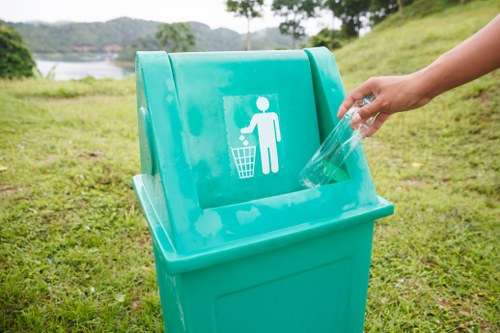 In closing, our commitment to a greener, circular approach to garden waste means we treat clearance as an opportunity. Every job is an instance of reuse, recycling and responsible disposal, keeping landfill as a last resort. Garden Clearance Finchley champions a practical, measurable pathway to a truly sustainable rubbish area: ambitious recycling percentage targets, trusted local transfer stations, charity partnerships that extend an item’s life, and a low-carbon fleet to move materials responsibly.