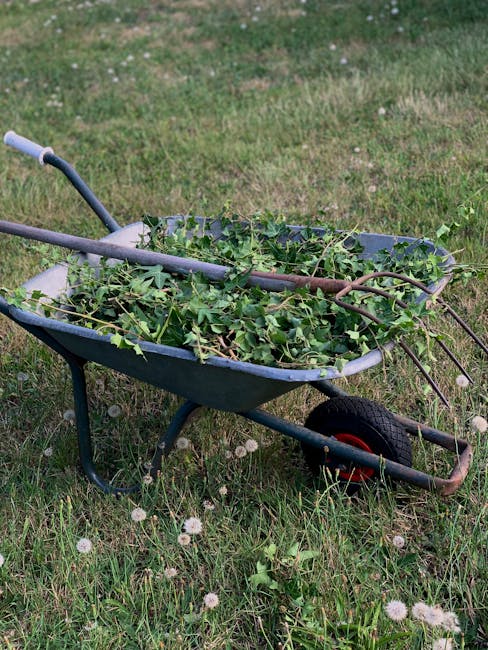
North Finchley N12 garden waste removal near Ballards Lane: a practical local guide
If your garden has quietly turned into a pile of branches, turf, hedge clippings and old plant pots, you are not alone. North Finchley N12 garden waste removal near Ballards Lane is one of those jobs that starts small and then suddenly takes over the side passage, the driveway, and half the weekend. Whether you have just finished a tidy-up after winter, cleared an overgrown border, or cut back shrubs that were leaning over the fence, getting the waste moved quickly can make a huge difference. It is not just about making things look neat. It is about access, safety, recycling, and reclaiming your space without a load of hassle.
This guide explains how garden waste clearance works in the Ballards Lane area, what to expect from a sensible local service, and how to avoid the usual mistakes that make the job more expensive or more stressful than it needs to be.
Why North Finchley N12 garden waste removal near Ballards Lane Matters
Ballards Lane is busy. That sounds obvious, but it matters because local collection, parking, loading access and the general rhythm of the street can all affect how straightforward a garden clearance feels. If your green waste is sitting in bags by the front boundary, it can get in the way fast. Add a narrow side entrance, a shared pathway, or a rear garden with limited access, and the job becomes more than a simple tidy-up.
Garden waste also has a habit of becoming mixed waste. You start with hedge trimmings, then there are broken canes, torn compost bags, a cracked wheelbarrow, and maybe a few bits of fencing. Before long, you are not dealing with one neat pile but a mixed load that needs sorting properly. That is where a good clearance approach saves time and keeps the site orderly.
There is also the practical side. Wet grass and thorny clippings are awkward to shift. Branches snag on clothing, loose soil makes paths slippery, and old roots are heavier than they look. Let's face it, what seems like a two-minute job often turns into an hour of dragging, lifting and sweeping. If you have ever filled a garden bag only to realise it is awkwardly heavy and still leaking compost onto the path, you know the feeling.
For many households in North Finchley N12, near Ballards Lane, garden clearance sits alongside other space-clearing needs too. A blocked garage, a cluttered shed, or leftover materials from a small outdoor project can all be handled as part of a wider tidy-up. In some cases, people also pair garden work with garage clearance or a broader home clearance when they want to get everything done in one go.
Expert summary: The real value of local garden waste removal is not only speed. It is controlled loading, sensible sorting, safe lifting, and making sure the waste leaves the property without leaving a mess behind.
How North Finchley N12 garden waste removal near Ballards Lane Works
In simple terms, garden waste removal is the collection, loading, and responsible disposal or recycling of unwanted outdoor green waste and related materials. A good service usually starts with an assessment of what needs to go. That might be a small pile from a weekend prune, or it might be a full clear-out after landscaping work. The exact process depends on access, volume, and the mix of materials.
Most jobs follow the same broad pattern:
- Initial assessment: You explain what needs clearing, where it is, and whether anything is particularly heavy, awkward, or mixed with non-garden items.
- Access check: The team looks at how the waste will be moved out. Front access, rear access, side passage, stairs, shared hallways, and parking all matter.
- Loading: The waste is collected, carried, and loaded safely. Branches, cuttings, soil, broken planters and similar items are usually sorted as they go.
- Separation: Recyclable green waste is separated from items that should not be mixed, such as rubble, treated timber or old furniture.
- Clear finish: The area is swept or left presentable, so you are not left with stray leaves, mud, or shredded bags.
In the real world, the difference between a decent clearance and a poor one is often visible in the last five minutes. A tidy edge, a swept path, and no muddy footprints through the kitchen. Small thing? Maybe. But it changes the whole experience.
If your waste includes more than garden material, you may need a service that can handle mixed loads. For example, patio offcuts, old shelving from a shed, or renovation leftovers may be better suited to builders waste clearance or general waste removal depending on what is actually there. That distinction matters because not everything in a garden is green waste, despite what the bin bag might try to tell you.
Key Benefits and Practical Advantages
There are a few obvious benefits to using a local garden waste removal service, but the less obvious ones are often the most useful.
- Faster recovery of usable space: Once the waste is gone, patios, paths and lawns are easier to use again.
- Less manual strain: Heavy bags, prickly branches and compacted soil are not fun to move more than once.
- Better presentation: A cleaned-up outdoor area instantly looks more cared for, which is helpful if you are preparing to host, rent, sell or simply breathe easier.
- More efficient sorting: Reputable services will look at what can be recycled rather than dumping everything together.
- Useful for awkward properties: Narrow side access, basement-level gardens or shared entrances can make self-clearance a headache.
There is also a time benefit that people often underestimate. A Saturday morning spent filling a car boot, making multiple trips, and then cleaning out the boot afterward can eat the whole day. A tidy, single-visit clearance can give you that day back. Not glamorous, no. But very practical.
For landlords, letting agents and busy homeowners, this can also reduce the chance of complaints from neighbours or passing clutter becoming an issue. A pile of cuttings near Ballards Lane can look messy very quickly, especially after rain when everything goes a bit limp and darker around the edges.
Who This Is For and When It Makes Sense
North Finchley N12 garden waste removal near Ballards Lane makes sense for a wide mix of people and properties. It is not only for large gardens or major landscaping projects. In fact, many of the most common jobs are modest but awkward.
Typical situations include:
- seasonal pruning after spring or autumn garden maintenance
- hedge cutting and branch removal after overgrowth has built up
- cleaning up after a DIY garden project
- clearing neglected borders, flowerbeds or rear yards
- emptying a shed of broken plant pots, soil bags and general outdoor clutter
- preparing a property for sale or new tenants
- helping someone who can garden but cannot safely lift or carry waste
If your outdoor space is small, you might think self-disposal is easier. Sometimes it is. But if you live in a flat with shared access, manage a rental with limited parking, or simply do not have a vehicle large enough for bulky waste, a professional collection can be the simpler option. People in apartments sometimes combine this with flat clearance when the outdoor tidy-up is part of a wider declutter.
It also makes sense when waste is too mixed or too damp to handle efficiently. Freshly cut hedge material is light enough, but once it has soaked up water, it becomes a different story. Heavy. Slippery. Somehow more of it than you expected. Funny how that happens.
Step-by-Step Guidance
If you want the process to go smoothly, a little preparation helps. You do not need to overdo it. Just give the job enough structure so the team can get in, clear it properly, and get out without guesswork.
- Separate green waste from non-green waste. Put branches, grass, weeds, leaves, and plant cuttings in one area. Keep rubble, metal, timber, old garden furniture, and household rubbish separate if possible.
- Check access routes. Make sure gates open fully, pathways are clear, and any padlocks or side gates can be opened before arrival.
- Remove anything you want to keep. It sounds basic, but ornaments, tools, hose attachments and favourite pots can easily get bundled into the wrong pile on a busy day.
- Flag anything heavy or awkward. Old sleepers, soil-filled tubs, broken fencing or wet turf can all change the effort involved.
- Ask how the waste will be handled. A clear answer should include whether items will be recycled, reused where appropriate, or disposed of through the proper route.
- Confirm timing and parking practicalities. In a street like Ballards Lane, that can be the difference between a smooth job and a slightly chaotic one.
A small but useful tip: if you have garden waste spread over several corners, take a quick photo before booking. It helps give a more accurate picture of volume. You do not need to become a project manager about it. Just enough to avoid surprises.
And if you are clearing other parts of the property at the same time, it can be worth checking whether the same provider handles house clearance or furniture disposal. That can simplify one larger job into a single planned visit.
Expert Tips for Better Results
Here is the honest bit: the best garden clearance jobs are usually the ones that are planned just enough to avoid friction. Not elaborate. Just well thought through.
- Don't mix soil with general waste unless you have to. Soil, turf and hardcore can affect how a load is sorted and priced. Keeping them separate is often cleaner and easier.
- Cut long branches down a little. You do not need to saw everything into tiny pieces, but shorter lengths usually load more neatly.
- Use bags only if they are actually strong. Thin bags split. Then you get the dreaded trail of leaves across the path. Nobody enjoys that.
- Book when access is easiest. If your gate is usually blocked by parked cars at school-run time, avoid that window if you can.
- Think in zones. One pile for green waste, one for mixed items, one for keepers. It sounds almost too simple, but it works.
- Ask about recycling before the load goes. In a good operation, green waste is treated separately where possible and not just bundled into a mystery heap.
One practical observation from many tidy-up jobs: the first ten minutes matter most. If the access is ready, the waste is grouped, and everyone knows what stays and what goes, the whole collection feels calmer. Less back-and-forth. Less "actually, that bag was meant to stay".
If you need to coordinate multiple clearance tasks, it can help to review recycling and sustainability principles as part of your planning. Not as a lecture. Just a sensible way to make sure usable material is handled properly.
Common Mistakes to Avoid
People usually do not get garden waste removal wrong because they are careless. More often, they underestimate the job. It is a very garden thing to do.
- Leaving everything until the last minute: Wet clippings, damp leaves and compacted bags become harder to manage the longer they sit.
- Mixing incompatible materials: Timber, rubble, plastic planters, old compost sacks and green waste may need different handling.
- Underestimating volume: A couple of heap-sized piles can be a much bigger load than expected once bagged.
- Forgetting about access: Locked gates, narrow paths and parked cars can all slow the job down.
- Assuming all services work the same way: Some are better at green waste, some at mixed garden debris, and some are more suited to full property clearances.
A common one is the "I'll just do it myself with the car" plan. Fine in theory, but not always in practice. A car full of hedge cuttings still needs protecting, cleaning and emptying. And if the load is bulky, you may need several trips. By the time you have done the second one, you start to wonder whether a professional collection would have been easier after all.
Another mistake is assuming garden waste is always light. It isn't. Soil-heavy roots, wet turf and old shrub stumps can be surprisingly dense. A bag that looks manageable in the garden can feel like a brick on the path.
Tools, Resources and Recommendations
You do not need specialist kit for a standard garden waste removal job, but a few ordinary tools make preparation much smoother.
| Item | Why it helps | Best use |
|---|---|---|
| Strong garden bags | Helps keep loose cuttings together | Leaves, weeds, light trimmings |
| Rake | Quickly gathers debris into one area | Lawns, borders, paths |
| Wheelbarrow | Reduces lifting over longer distances | Heavy or awkward piles |
| Gloves | Protects hands from thorns and rough stems | Pruning and bagging |
| Tarpaulin | Keeps waste contained and easier to move | Branches, leaves and mixed garden debris |
For larger clearances, a provider that also handles garden clearance directly can be useful because it keeps the job focused. If there is a shed full of old bits and pieces too, then garage clearance may be worth considering alongside the garden work.
If you are comparing options, ask practical questions rather than generic ones. What will they remove? What happens to green waste? Can they deal with mixed materials? Do they leave the area swept? Simple questions, but they tell you a lot.
Law, Compliance, Standards, or Best Practice
Garden waste removal in the UK should be handled responsibly, with proper attention to waste transfer, safe loading, and appropriate disposal routes. You do not need to become an expert in environmental law to make a sensible choice, but you should expect a few basics to be in place.
Best practice includes:
- clear identification of waste type before collection
- safe manual handling for bulky, sharp, wet or heavy items
- separation of recyclable green waste where feasible
- careful movement through shared spaces so paths and entrances are not damaged
- transparent terms and pricing so you know what the service covers
If a job involves mixed waste, broken furniture, or materials from a renovation, it may sit partly outside a simple green-waste job. That is where services such as builders waste clearance or furniture clearance can come into play, depending on what you are actually disposing of.
From a trust point of view, it is worth looking for clear company information, sensible service boundaries, and straightforward payment and quoting information. Pages like pricing and quotes, payment and security, and terms and conditions exist for a reason. They help set expectations before anyone turns up at the gate.
Options, Methods, or Comparison Table
There is more than one way to deal with garden waste near Ballards Lane. The right option depends on volume, access and how much time you want to spend on it.
| Method | Best for | Pros | Trade-offs |
|---|---|---|---|
| Self-clearance | Small amounts, easy access, vehicle available | Direct control, can be cheap on paper | Labour-heavy, time-consuming, multiple trips |
| Ad hoc bagging over time | Light ongoing maintenance | Spread out effort, manageable for small gardens | Slow, bags can accumulate, not ideal after major pruning |
| Professional garden waste removal | Mixed, bulky or urgent clearances | Fast, efficient, less lifting, better for awkward access | Upfront service cost |
| Combined property clearance | Garden waste plus other household or storage clutter | Convenient, one visit, broader clean-up | Requires clearer planning and scope |
There is no single "best" method for everyone. A small patio with a few bags of leaves is one thing. A rear garden full of cut hedging, old pots and damp soil is another. Truth be told, the best method is the one that gets the space back without turning your weekend into a minor endurance test.
Case Study or Real-World Example
A typical local job might look like this. A homeowner in North Finchley near Ballards Lane had spent the morning cutting back a hedge that had grown too far over the path. The work itself was fine, but the aftermath was messy: long branches, bagged cuttings, bits of ivy, a few broken plant supports and a sack of old compost. There was also a narrow side entrance and a parked car making access slightly awkward.
Instead of trying to squeeze everything into a small vehicle over several trips, the waste was grouped into zones first. The branch pile was separated from the lighter clippings. Anything that looked like non-garden material was pulled out and set aside. The loading was straightforward once everything was sorted. The path was swept at the end, and the garden looked usable again that same day.
The key lesson was simple: the waste itself was not the problem. The organisation of the waste was. Once that was done properly, the job stopped feeling like a chore.
That pattern comes up a lot. A relatively ordinary garden tidy-up becomes manageable the moment the waste is sorted, access is checked and the right removal method is chosen. Nothing fancy. Just sensible, calm work.
Practical Checklist
Use this before booking or starting the job.
- Confirm what needs removing: green waste, soil, branches, planters, broken items, or mixed debris
- Check access through gates, paths, side passages and front loading space
- Separate items you want to keep
- Keep green waste apart from rubble, timber and general rubbish if possible
- Take a quick photo of the piles if you want a more accurate quote
- Ask whether the service can handle mixed garden waste
- Check whether the area will be swept or left tidy after loading
- Review pricing, payment and service terms before confirming
- Make sure someone is available if access needs to be opened
- Plan around parking or busy street times near Ballards Lane
Quick takeaway: the smoother the access and the better the sorting, the easier and cleaner the job will be. That really is most of it.
Conclusion
North Finchley N12 garden waste removal near Ballards Lane is best approached as a practical, local problem rather than a simple rubbish job. The best results come from knowing what you have, sorting it sensibly, and choosing a method that matches your access and volume. Whether you are clearing hedge cuttings, old soil bags, or a mixed garden pile after a busy weekend, a well-planned removal saves time, reduces strain and leaves the space feeling properly reset.
It also brings back a bit of breathing room. You notice the garden again. The path feels wider. The corner by the fence stops looking like a temporary storage area. Small win, but a real one.
If you are comparing service options or want to talk through a job that includes more than just green waste, it helps to look at related support pages such as about us and contact us so you can make an informed decision without the guesswork.
Get a free quote today and see how much you can save.
Frequently Asked Questions
What counts as garden waste removal near Ballards Lane?
It usually includes green waste such as grass cuttings, hedge trimmings, branches, leaves, weeds, plants and similar outdoor debris. Some services can also take related items like old pots, broken canes or damaged garden materials if they are part of a mixed load.
Can you remove mixed garden and household waste?
Often yes, but it depends on the exact items. Mixed loads may need to be sorted carefully because not everything from a garden is classed as green waste. If there are furniture items, builders' materials or general rubbish, those may need a different clearance approach.
Is garden waste removal better than taking it to the tip myself?
For a small load, self-disposal can work. For bulky, wet, heavy or awkward waste, a collection service is usually easier and less physically demanding. It also saves time, especially if you would need multiple trips.
How do I prepare my garden waste for collection?
Group waste into clear piles, keep items you want to retain separate, and make sure access routes are open. If possible, separate green waste from soil, rubble and timber. A little organisation goes a long way.
Do I need to bag everything?
No, not always. Loose piles can be fine if access is clear, though bagging lighter items like leaves and weeds can make the loading easier. Use strong bags if you do bag waste, because flimsy ones split at the worst moment, naturally.
What should I do with soil and turf?
Soil and turf are heavier than they look and often need handling separately from light green waste. If you have a lot of it, mention that upfront so the collection can be planned properly.
Can a service remove branches and hedge clippings from a back garden with narrow access?
Yes, many can, but access details matter a lot. A narrow passage, steps or a shared entrance can affect how the work is done, so it helps to mention these early.
How long does a garden clearance usually take?
That depends on the volume, the mix of materials and the access. A small tidy-up may be quick, while a large or mixed clearance can take longer. The more organised the waste is, the smoother the job tends to be.
What if my garden waste includes an old shed or broken fence panels?
Those items may fall under a different clearance type because they are not purely green waste. Broken timber, panels and similar materials are often handled as mixed or builders-style waste depending on what is involved.
Is recycling important for garden waste?
Yes, where possible. Green waste can often be processed separately from general rubbish, which is better for disposal practice and usually a better environmental outcome too.
Should I choose a local provider for North Finchley N12?
Usually that is sensible, especially if access, parking or timing near Ballards Lane matters. A local provider is more likely to understand the area and the practical realities of working there.
What should I ask before booking?
Ask what types of waste can be taken, how pricing is structured, whether mixed waste is accepted, and whether the area will be left tidy afterwards. If you want to check the company's wider standards, pages like insurance and safety and health and safety policy are useful places to start.