Phoenix Cinema Finchley household rubbish clearance advice
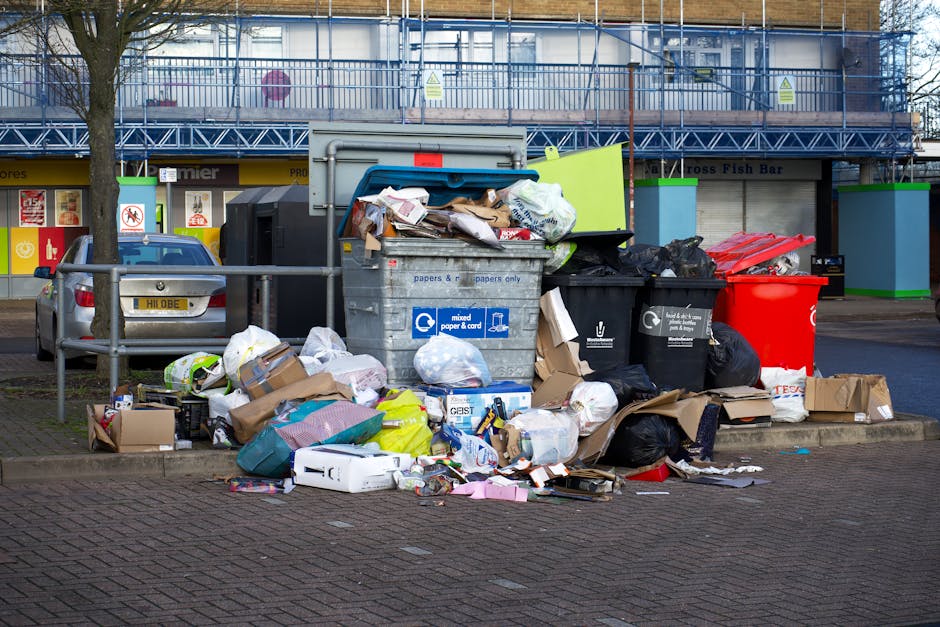
If you are planning a clear-out near Phoenix Cinema in Finchley, the work can feel strangely bigger than it first looks. One minute it is a few black bags and an old lamp; the next, you are staring at a hallway full of mixed household waste, wondering what can go, what needs special care, and how to avoid making a simple job into a messy one. This guide brings together practical Phoenix Cinema Finchley household rubbish clearance advice for people who want a tidy, lawful, and low-stress result.
We will cover how household rubbish clearance typically works, what to separate first, the common mistakes people make, and when it makes sense to use a professional service such as waste removal or a more focused service like house clearance. There is also a checklist, a comparison table, and a realistic example so you can make a sensible decision without overthinking every bag and box.
Quick takeaway: the best rubbish clearance is the one that is sorted early, lifted safely, and disposed of through the right route. Simple enough in theory. In real life, it helps to have a plan.
Why Phoenix Cinema Finchley household rubbish clearance advice Matters
Household rubbish clearance is one of those jobs that looks straightforward until you actually start moving things. Around Phoenix Cinema and the wider Finchley area, homes vary a lot: flats, terraces, converted properties, shared buildings, and family houses with limited storage. That matters because where and how you clear rubbish changes the whole experience.
Good advice saves time, avoids accidental fly-tipping, and helps you separate ordinary household rubbish from items that need careful handling. It also helps you avoid the classic end-of-clearance pile-up: bags at the front door, broken furniture in the hallway, and one mysteriously heavy box that nobody wants to open. You know the one.
There is also a practical local angle. In London, access can be awkward, parking can be tight, and lifting waste through narrow stairs is rarely fun. So advice that works for a suburban driveway may not be much use near Finchley Central, especially if you are clearing waste after a tenancy change, renovation, or family move.
That is why the topic is broader than just "getting rid of rubbish". It is really about making the job safe, legal, and efficient. If you want to reduce stress, save the weekend, and keep the property presentable, the right advice matters more than most people think.
How Phoenix Cinema Finchley household rubbish clearance advice Works
At its simplest, household rubbish clearance works by sorting waste into practical groups, deciding what can be reused or recycled, and then choosing the right removal method. That might be a small self-clearance using a vehicle and a local disposal point, or a booked collection through a clearance company. Both can work. The trick is choosing what suits the volume, weight, and type of items involved.
In most cases, the process follows the same broad pattern:
- Identify the waste types in advance.
- Separate reusable items from general rubbish.
- Check for anything that needs special handling, such as batteries, paint, or electricals.
- Estimate how much space or labour is needed.
- Book the right collection or arrange disposal.
- Clear the space, sweep up, and do a final safety check.
That sounds almost too neat, of course. Real clear-outs rarely are. One cupboard can hide half a dozen different waste types, and a "few bits and pieces" can turn into several bulky items once you start stacking them. Still, a basic structure keeps the job under control.
If you are dealing with a full-property clear-out, a service such as home clearance or flat clearance may be more suitable than a simple rubbish pickup, especially where furniture, appliances, and mixed household goods are involved.
Key Benefits and Practical Advantages
The biggest benefit of proper household rubbish clearance advice is control. Instead of guessing, you can make decisions in the right order and avoid waste stacking up in the wrong place.
- Less stress: you know what to do with each type of item.
- Safer lifting: you can avoid awkward carrying, rushed stair trips, and damage to walls or floors.
- Cleaner spaces: rubbish does not linger for days in a hallway or front garden.
- Better recycling: useful materials are separated instead of being mixed together.
- Lower risk of mistakes: you are less likely to dispose of restricted items improperly.
- Faster turnaround: a planned clear-out usually finishes quicker than a spontaneous one.
There is also a quiet financial benefit. If you sort waste properly before collection, you may avoid paying for space you do not need or booking a bigger service than necessary. It is a small thing, but it adds up. Especially when the job seems bigger than expected by the time the tea has gone cold.
For larger loads involving furniture, old mattresses, or mixed bulky waste, it can also be helpful to look at related services such as furniture disposal or furniture clearance. Those options make more sense when the pile includes items that are too awkward for ordinary bin collection.
Who This Is For and When It Makes Sense
This advice is useful for a wide range of people, and not only for major moves or renovations. In practice, it tends to help most when the household rubbish has become varied, bulky, or just plain annoying to handle.
You may need this if you are:
- clearing out a flat after tenants move out
- sorting a loft, garage, or spare room
- dealing with accumulated everyday rubbish after a busy period
- removing furniture alongside general household waste
- preparing a property for sale or let
- reducing clutter after a bereavement or long-term storage build-up
- trying to keep access clear in a shared building
It also makes sense when you are not sure whether to do it yourself. If the rubbish is light and easy to bag, you may manage fine. If there are stairs, tight turns, sharp edges, or heavy mixed items, the job gets more complicated fast. Truth be told, that is when people usually wish they had asked for advice earlier.
For properties with storage problems, a loft clearance or garage clearance approach can be the better fit because those spaces often contain dusty, forgotten items that need sorting rather than just collecting.
Step-by-Step Guidance
Here is a practical way to approach Phoenix Cinema Finchley household rubbish clearance without making it harder than it needs to be.
1. Walk through the property first
Before lifting anything, do a quick room-by-room review. Look for bagged waste, broken items, old packaging, clothing, papers, small electricals, and anything that could be reused. This helps you understand the real scale of the job. A five-minute walk-through can save an hour later.
2. Separate your waste into simple groups
Keep categories easy. For example:
- general household rubbish
- recyclable materials
- bulky items
- electrical items
- items for donation or reuse
- potentially hazardous items
You do not need a perfect sorting system. You need a useful one.
3. Remove obvious reuse items first
Anything that is still usable should be set aside before the main clearance begins. That may include shelving, kitchenware, textiles, working lamps, or furniture in good condition. Keeping reusable items separate often makes the rest of the process cleaner and faster.
4. Watch out for hidden weights and awkward shapes
Household rubbish often looks lighter than it is. Wet bags, books, broken ceramics, and mixed boxes can be much heavier than expected. If an item feels too bulky or awkward, do not force it down stairs on your own. That is the point where backs get twingy and walls get scratched.
5. Decide between self-clearance and a collection service
If you have the right vehicle, time, and lifting help, you may choose to take waste yourself. But if the job involves multiple loads or mixed bulky waste, a professional collection is usually more efficient. For mixed domestic waste, waste removal gives you a flexible option without having to arrange several separate trips.
6. Prepare the access route
Clear doorways, move fragile items, and make sure the route to the exit is safe. If rubbish has to be carried through a flat or communal area, protect surfaces where possible and plan the order of removal. It sounds a bit fussy, but it saves accidents.
7. Finish with a final sweep-through
Once the waste is gone, check for loose screws, glass, dust, and anything left behind in corners. A tidy finish matters. A room can look "done" but still contain hazards if you skip the last check.
Expert Tips for Better Results
After many clear-outs, a few small habits make the biggest difference. Nothing flashy. Just practical stuff that keeps the process sane.
- Use clear bags where possible: it helps you and anyone helping you see what is inside.
- Label mixed boxes: even simple labels like "books", "paper", or "electrical" reduce confusion.
- Break down flat-pack furniture: it saves space and makes carrying easier.
- Keep sharp items separate: broken glass, metal offcuts, and jagged edges should not travel loose in a general bag.
- Plan the order of removal: take out the heaviest items first, then lighter debris.
- Don't overfill bags: overstuffed bags are hard to grip and more likely to split.
A small but useful trick: create one "decision pile" near the end of the room. That pile is for things you are unsure about. It stops hesitation from slowing the whole job down. You can look at it once, make the call, and move on.
If the household rubbish is tied to a bigger project, such as a refurbishment, you may also need help with builders waste clearance. Household waste and construction debris are not the same thing, and mixing them can complicate disposal more than people expect.
Common Mistakes to Avoid
Most clearance problems are avoidable. They usually come from rushing, guessing, or trying to save time in the wrong place.
- Mixing everything together: recyclable and special items can end up buried in general waste.
- Underestimating the volume: one room of clutter can fill far more space than you think.
- Lifting without checking weight: especially common with bags full of books, soil, or wet waste.
- Leaving bags in communal areas: this can cause access issues and complaints.
- Ignoring paperwork or terms: if you use a service, know what is included and what is not.
- Forgetting cleaning after removal: a space left dusty and scattered never quite feels finished.
Another common slip is treating all furniture as if it belongs in the same pile. Sofas, wardrobes, and small chairs often need different handling and may be better dealt with through a focused furniture route rather than bundled in with general household rubbish. That is where house clearance can be more practical than a basic collection.
And yes, people do sometimes discover the odd mystery item at the back of a cupboard. Usually something heavy, slightly sticky, and definitely from another decade. That is just part of it, really.
Tools, Resources and Recommendations
You do not need a huge toolkit to manage household rubbish clearance well. A few sensible basics are enough for most jobs.
- strong refuse sacks or heavy-duty bags
- gloves with a good grip
- mask if the space is dusty
- tape, marker pen, and labels
- box cutter or scissors for breaking down packaging
- trolley or sack truck for heavier items
- dustpan and brush for the final tidy-up
On the planning side, it helps to think in stages rather than trying to do everything in one go. For example, sort first, bag second, move third, clean last. Simple enough. But it stops chaos from creeping in.
If you want to understand how a professional provider approaches ethical disposal and material handling, the page on recycling and sustainability is a sensible place to look. It gives a better sense of how mixed waste can be directed responsibly instead of just being hauled away.
You may also want to check the business's approach to insurance and safety and health and safety policy if the job involves awkward access, shared areas, or heavier items. That reassurance matters more than people often admit.
Law, Compliance, Standards, or Best Practice
Household rubbish clearance in the UK sits within a framework of common-sense legal and environmental responsibilities. You do not need to be a waste expert to get this right, but you do need to avoid the obvious problems.
The key principle is simple: waste should be stored, moved, and disposed of responsibly. That means not leaving it somewhere it should not be, not passing it to an unlicensed or careless operator, and not assuming that every item can go in the same load. Special care is usually needed for electrical items, batteries, liquids, sharp objects, and anything potentially hazardous.
Best practice also means checking the terms of a collection service before booking. You want to know what is included, how access is handled, and whether there are any limits on item type or load size. If you are arranging a service, the provider's terms and conditions and payment and security information should make the process clearer, not murkier.
If you are unsure about a particular item, the cautious approach is usually the best one. Keep it separate, ask first, and do not force it into general rubbish just because it is easier in the moment. That little pause can prevent a much bigger headache later.
Options, Methods, or Comparison Table
There is no single right way to clear household rubbish. The best option depends on quantity, access, time, and the type of waste involved. Here is a simple comparison.
| Method | Best for | Pros | Watch-outs |
|---|---|---|---|
| Self-clearance | Small amounts of bagged rubbish and a few manageable items | Flexible, immediate, full control | Requires transport, lifting, and your own time |
| Professional rubbish collection | Mixed household waste and medium-sized clear-outs | Faster, less lifting, more convenient | Needs clear item listing and access planning |
| Full property clearance | Whole rooms, inherited properties, or major declutters | Comprehensive, efficient, less stress | May be more than you need for a smaller job |
| Specialised furniture route | Bulky household furniture and awkward large items | Better for large objects, clearer handling | Not ideal for mixed bagged rubbish on its own |
For many Finchley households, the middle ground works best: a straightforward collection for general waste, plus separate help for larger items where needed. If furniture is a big part of the job, it may make sense to look at furniture clearance alongside the household rubbish plan.
Case Study or Real-World Example
Imagine a first-floor flat near Phoenix Cinema after a long-overdue declutter. The resident has a few bin bags, two broken bedside tables, a small shelving unit, old papers, and a boxed-up TV that no longer works. Nothing dramatic, but enough to clog the hallway and make the place feel cramped.
The mistake would be to start carrying things out immediately. The better approach is to sort first. The papers go into one group, the furniture into another, and the electrical item is kept separate. The shelving is broken down. Loose screws are bagged. The route to the door is cleared. Then the heavier pieces come out in the right order, not all at once.
The result? Less backtracking, less damage risk, and a far cleaner finish. The resident gets the flat back to normal without three separate weekend runs and without leaving a trail of stress behind them. Nothing glamorous. Just a job done properly.
That is the reality of good household rubbish clearance advice: it rarely feels exciting, but it makes a frustrating task feel manageable. And that is worth quite a lot on a busy day.
Practical Checklist
Use this before you begin.
- Have I identified all rubbish types in the property?
- Have I separated reusable items from waste?
- Have I checked for electricals, sharp items, or other special waste?
- Do I know what needs to be bagged, boxed, or broken down?
- Is the access route clear and safe?
- Do I have gloves, bags, and basic tools ready?
- Have I estimated whether I need self-clearance or a collection service?
- Have I read the service terms if I am booking help?
- Do I know where the waste is going and how it will be handled?
- Have I planned a final sweep-up after removal?
Small reminder: do the sorting before the lifting. Always. It makes everything else easier.
Conclusion
Phoenix Cinema Finchley household rubbish clearance advice is really about taking a practical, steady approach. Sort early, lift safely, keep special items separate, and choose the disposal method that fits the job rather than the one that sounds quickest in the moment. That balance matters more than perfect speed.
If your clear-out is small, a careful self-managed process may be enough. If it is mixed, bulky, or awkward to access, professional support can save time and spare you the worst of the hassle. Either way, a bit of planning goes a long way. The job starts to feel much lighter once you stop treating it as one giant task and break it into sensible steps.
Get a free quote today and see how much you can save.
And if all you manage today is one room and a clearer hallway, that is still progress. Sometimes that is exactly what you need.
Frequently Asked Questions
What counts as household rubbish during a clearance?
Household rubbish usually includes general bagged waste, packaging, broken small items, unwanted clutter, and mixed domestic waste from living spaces. It can also include bulky household items if they are part of a wider clear-out, but electricals and special waste should be handled separately.
Is it better to sort rubbish before booking a collection?
Yes. Sorting first makes it easier to understand what needs removing, what can be reused, and whether any items need special handling. It also helps avoid overbooking a bigger service than you actually need.
Can I put broken furniture in with general rubbish?
Sometimes, but not always. Smaller broken items may be suitable for a general collection, while large furniture is often better handled through a furniture-specific or full clearance service. The size, weight, and material all matter.
What should I do with old electrical items?
Keep electrical items separate from general household rubbish. They often need different handling, especially if they contain batteries, plugs, screens, or internal components. Do not just hide them in a black bag and hope for the best.
How do I know if I need house clearance rather than waste removal?
If you are removing mixed household contents from several rooms, especially furniture plus rubbish, a broader house clearance service is often the better fit. If you only have general rubbish or a smaller mixed load, waste removal may be enough.
What if I live in a flat with tight stairs or shared access?
That is a common London challenge. Measure awkward items where possible, clear the route, and consider whether professional help would reduce the risk of damage or strain. Tight access is often the point where a simple job stops being simple.
How can I reduce the cost of rubbish clearance?
The best way is to sort items carefully before collection, remove anything reusable, and separate waste types where practical. Clear access and accurate descriptions also help prevent surprises on the day.
Do I need to keep certain items separate for safety reasons?
Yes. Sharp items, liquids, batteries, paint, and damaged electricals should be handled carefully and kept apart from ordinary domestic rubbish. If in doubt, isolate the item and ask before mixing it in.
How long does a household rubbish clearance usually take?
It depends on the volume of waste, the access route, and how prepared the property is. A small, well-sorted job may be completed quite quickly, while a full flat or house clear-out can take much longer. Preparation makes a bigger difference than people expect.
What if I am clearing a property after a move or bereavement?
Go slowly and avoid making rushed decisions about everything at once. Separate sentimental items first, then move to general rubbish and bulky waste. A respectful, staged approach is usually easier on both the space and the people involved.
Should I read terms before booking a collection?
Yes, definitely. You want to understand what is included, how access works, what items may be restricted, and how payment is handled. A clear service should feel straightforward, not full of surprises.
What is the best first step if the rubbish pile feels overwhelming?
Start with one room, one corner, or one category. Not the whole property. Once you get one clear win, the rest often feels far more manageable. A tiny bit of momentum goes a long way.